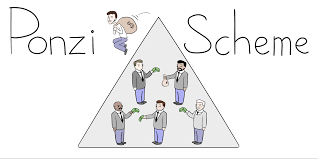

The glaring economic disparities between politicians and the citizens they represent are a profound flaw in our current system of representative democracy. Recent studies consistently show that politicians tend to be vastly better off than the average citizen across every economic measure. Many politicians come from backgrounds of generational wealth and elite professions, such as law, banking, and consultancy. This elite status, embodied by figures like Rishi Sunak and Donald Trump, raises a critical question: how can these leaders truly understand and address the plight of ordinary people when they have never faced the challenges of everyday life? We explore this disconnect and contrast it with the more inclusive and participatory potential of digital democracy.
The Elite Enclave of Representative Democracy
In representative democracies, the concentration of political power in the hands of the economically privileged creates a fundamental disconnect between policymakers and the populace. This elite enclave is exemplified by politicians who, by virtue of their wealth and social status, are insulated from the economic hardships that ordinary citizens face.
- Economic Privilege and Policy Making: Politicians such as Rishi Sunak, who has a background in finance and immense personal wealth, or Donald Trump, a billionaire businessman, often bring to office perspectives shaped by their elite status. These leaders, who have never faced the precarities of living paycheck to paycheck, are inherently limited in their ability to empathize with and address the economic struggles of ordinary citizens. This lack of firsthand experience results in policies that may favor the wealthy or fail to adequately support the vulnerable.
- Generational Wealth and Continuity of Power: The perpetuation of generational wealth among political elites further entrenches this disconnect. Families with long histories of affluence, such as the Bushes in the United States or the Kennedys, often dominate political landscapes, ensuring that power remains within a narrow socioeconomic stratum. This continuity of elite power marginalizes the voices and needs of the broader populace.
- Professional Backgrounds and Bias: The prevalence of politicians from professions such as law, banking, and consultancy introduces specific biases into policymaking. These professions, typically associated with higher income brackets and particular worldviews, do not represent the diversity of experiences found within the general population. Consequently, policies may reflect the interests and perspectives of these elite professions and corporations rather than those of the average citizen.
The Alienation of the Citizenry
These dynamics perpetuate alienation and disenchantment among the citizenry. When political leaders appear out of touch with everyday realities, public trust erodes, and the democratic process is perceived as a charade—a mere spectacle that serves the interests of the few over the many. This alienation is not just a symptom but a feature of a system that prioritizes elite continuity over genuine representation.
The Promise of Digital Democracy
Digital democracy presents a radical departure from the elite-dominated structures of representative democracy. By leveraging digital technologies, we can create a more inclusive, participatory, and equitable system of governance that genuinely reflects the diversity and needs of the population.
- Inclusivity and Representation: Digital democracy platforms facilitate broad-based participation, ensuring that a wide range of voices and experiences are included in the decision-making process. This inclusivity stands in stark contrast to the narrow socioeconomic backgrounds of many current political leaders.
- Direct Engagement: Digital platforms enable continuous and meaningful engagement between citizens and their government. Rather than electing representatives to make decisions on their behalf, citizens can directly vote on policies and initiatives, ensuring that governance is truly reflective of the collective will.
- Transparency and Accountability: The transparency inherent in digital democracy reduces opportunities for corruption and elite manipulation. Every decision and transaction can be publicly tracked and scrutinized, fostering greater accountability among those in power.
- Decentralization of Power: By decentralizing decision-making processes, digital democracy dismantles the concentration of power that characterizes traditional representative systems. This decentralization ensures that policies are shaped by those directly affected by them, leading to more responsive and effective governance.
Case Studies: Digital Democracy in Action
- Taiwan: Taiwan’s digital democracy initiatives, such as the vTaiwan platform, enable citizens to participate in policymaking on a wide range of issues. This model has enhanced transparency, inclusivity, and responsiveness in governance.
- Estonia: Estonia’s e-governance system allows for secure, transparent, and efficient participation in elections and public decision-making. This system has increased public trust and engagement, demonstrating the potential of digital democracy to transform governance.
Conclusion
The economic disparities and elite backgrounds of many politicians underscore a significant flaw in our current system of representative democracy. Figures like Rishi Sunak and Donald Trump, insulated by their wealth and privilege, illustrate the disconnect between political leaders and the citizens they serve.
Digital democracy offers a promising alternative, characterized by inclusivity, direct engagement, transparency, and decentralization. By embracing the principles of digital democracy, we can create a political system that genuinely reflects and addresses the needs of all citizens, dismantling the elitist structures that currently dominate and ensuring a more equitable and responsive governance.