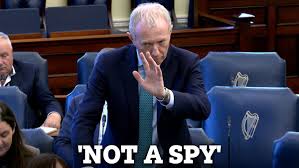

In the current political landscape, the personality of politicians has become a focal point of contention, largely fueled by social media platforms. These platforms have skillfully deconstructed political figures to the point where few are immune to character assassination and critique allowing extremist groups to expolit politicians’ personalitites. This phenomenon contributes to a pervasive mood of discontent and gloom within society, regardless of the quality or policies of the candidates. Digital democracyAI.com seeks to mitigate these effects, by reconsidering personality in politics.
The Spectacle of Personality Politics
In our current political systems, political engagement is often reduced to the consumption of personalities rather than the evaluation of policies. The spectacle of personality politics is amplified by social media, which magnifies and distorts the public perception of political figures. On the other hand, it can also point the finger at hypocracies, contradictions and corrupt motivations within politicians.
The Discontent of Representative Democracy
The focus on personality politics in representative democracy leads to a gloomy and reductive mood within society. When political engagement is reduced to the evaluation of personalities, voters become disenchanted and cynical and exhausted. The constant barrage of character critiques and scandals, amplified by social media, creates a political environment where genuine policy debates are sidelined.
In a society where politics is consumed as entertainment and politicians are marketed like celebrities, the electorate becomes passive and disengaged. The spectacle of personality politics distracts from the systemic issues and policy choices that genuinely affect people’s lives.
The Potential of Digital Democracy
Digital democracy offers a radical departure from the personality-driven politics of representative democracy. By leveraging digital technologies to facilitate direct and participatory forms of governance, digital democracy can shift the focus from personalities to policies.
- Policy-Centric Engagement: Digital platforms can enable voters to engage directly with policy proposals rather than personalities. For instance, online referenda and participatory budgeting platforms allow citizens to vote on specific issues, reducing the influence of personal biases related to political figures.
- Transparency and Accountability: Digital democracy can enhance transparency in governance. Platforms that provide real-time updates on policy developments and government decisions make it harder for personality politics to overshadow substantive issues. This transparency fosters a more informed and engaged electorate.
- Continuous Civic Participation: Unlike the episodic engagement of representative democracy, digital democracy encourages continuous and meaningful participation. Citizens can engage in policy discussions, contribute to decision-making processes, and hold their representatives accountable through digital platforms.
- Neutralizing Character Assassination: By focusing on policies and data-driven decision-making, digital democracy can mitigate the impact of character assassination. The emphasis on anonymous and policy-focused voting reduces the potential for personal biases to influence political outcomes.
Conclusion
The pervasive and corrusive focus on personality politics in representative democracy, amplified by social media, contributes to a mood of discontent and disengagement within society. By critically examining the impact of personality politics and exploring the potential of digital democracy, we can envision a future where political engagement is more substantive, inclusive, and focused on the real issues that matter.