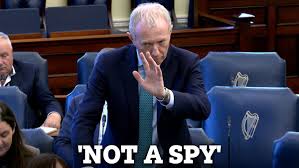

As much of the world goes to the polls to elect public representatives, it becomes evident that electoral outcomes are often influenced more by the personalities of candidates than by their policies. The spectacle of politics—epitomized by figures such as Donald Trump, Joe Biden, Rishi Sunak, Keir Starmer, Micheal Martin and Mary Lou —illustrates how personality, appearance, and other superficial traits can overshadow substantive policy discussions. This essay explores the reductive and harmful effects of personality politics and contrasts this with the potential for more equitable and rational decision-making through digital democracy.
Personality Politics
In our societies, political candidates are often marketed and consumed like commodities, with their appeal rooted in their personal brand rather than their policy platforms. This commodification of politicians reduces complex political realities to simplistic, emotionally charged narratives that are easy to digest but offer little in terms of genuine solutions.
The 2020 U.S. presidential election provides a clear example. The contest between Donald Trump and Joe Biden was often framed in terms of their personalities: Trump’s brash, confrontational style versus Biden’s more reserved, empathetic demeanor. Both of these candidates have been classed as unfit by their opposition based on age, mental acuity, legal exposure and character flaws. This focus on personality traits obscures important policy differences and reduces political engagement to a level, where the image of the candidate takes precedence over the substance of their proposals.
The Spectacle of Politics
The media often amplifies the spectacle of politics, focusing on scandals, gaffes, and personal stories at the expense of in-depth policy analysis. This not only skews public perception but also reinforces the notion that politics is primarily about personalities rather than ideologies and concrete policy choices. The 2019 UK general election saw similar dynamics, with much attention given to the personalities of Boris Johnson and Jeremy Corbyn, overshadowing detailed discussions of Brexit or economic policy. Nigel Farage is disrupting force, his personality a boon for media moguls.
The Neutral Biases of Digital Democracy
In contrast to the personality-driven politics of traditional representative democracy, digital democracy offers a framework that could mitigate these reductive influences. Digital democracy, by decentralizing power and enhancing direct civic engagement, has the potential to focus political discourse on policies rather than personalities.
-
- Anonymity and Policy Focus: Digital platforms can be designed to emphasize policy over personality. For instance, voting on specific issues or policies can be done anonymously, reducing the impact of personal biases related to candidates’ appearance, mannerisms, or other superficial traits. This anonymity encourages voters to engage with the substance of the issues at hand.
- Data-Driven Decision Making: Digital democracy can leverage data to inform policy decisions. Platforms that aggregate and analyze public opinion on specific issues can provide a more nuanced understanding of public preferences, unclouded by the distortions of personality politics. This data-driven approach aligns with a more rational and less ideologically driven political discourse.
- Enhanced Civic Participation: Digital tools can facilitate continuous and meaningful engagement between citizens and their representatives. Online forums, participatory budgeting platforms, and e-petitions enable citizens to contribute to policy discussions directly, ensuring that political debate is grounded in real issues rather than the personal appeal of politicians.
- Transparency and Accountability: Digital platforms can enhance transparency in governance, providing real-time updates on policy developments and decisions. This transparency reduces the opportunity for media manipulation and keeps the focus on substantive political issues.
Conclusion
The pervasive influence of personality in politics highlights the limitations and distortions of traditional democratic systems within our current framework. The commodification of politicians and the spectacle of media-driven politics undermine the rational and substantive engagement necessary for a healthy democracy. DigitaldemocracyAI.com, with its potential to decentralize power, enhance civic participation, and focus on policy over personality, offers a promising alternative. By embracing the principles of digital democracy, we can move towards a political landscape where decisions are made based on informed public discourse and rational deliberation, free from the distortions of personality politics.